
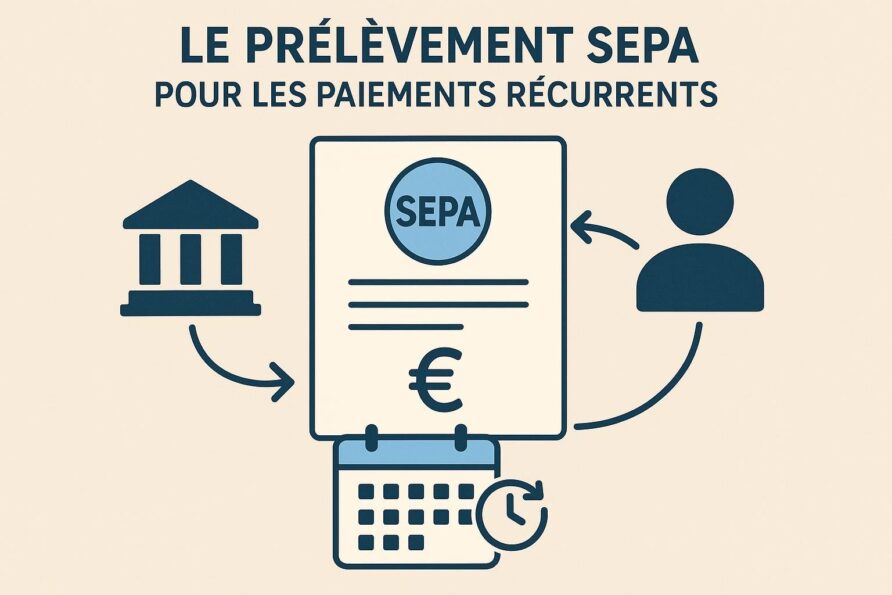
The SEPA Direct Debit (SDD) system provides a standardized, efficient way to conduct recurring payments across Europe. It simplifies the collection of funds from customers’ accounts with their consent, making it an essential tool for businesses. In this article, we will explore the features, benefits, and specific examples of SEPA direct debits, along with the pros and cons of using this system.
What is SEPA Direct Debit?
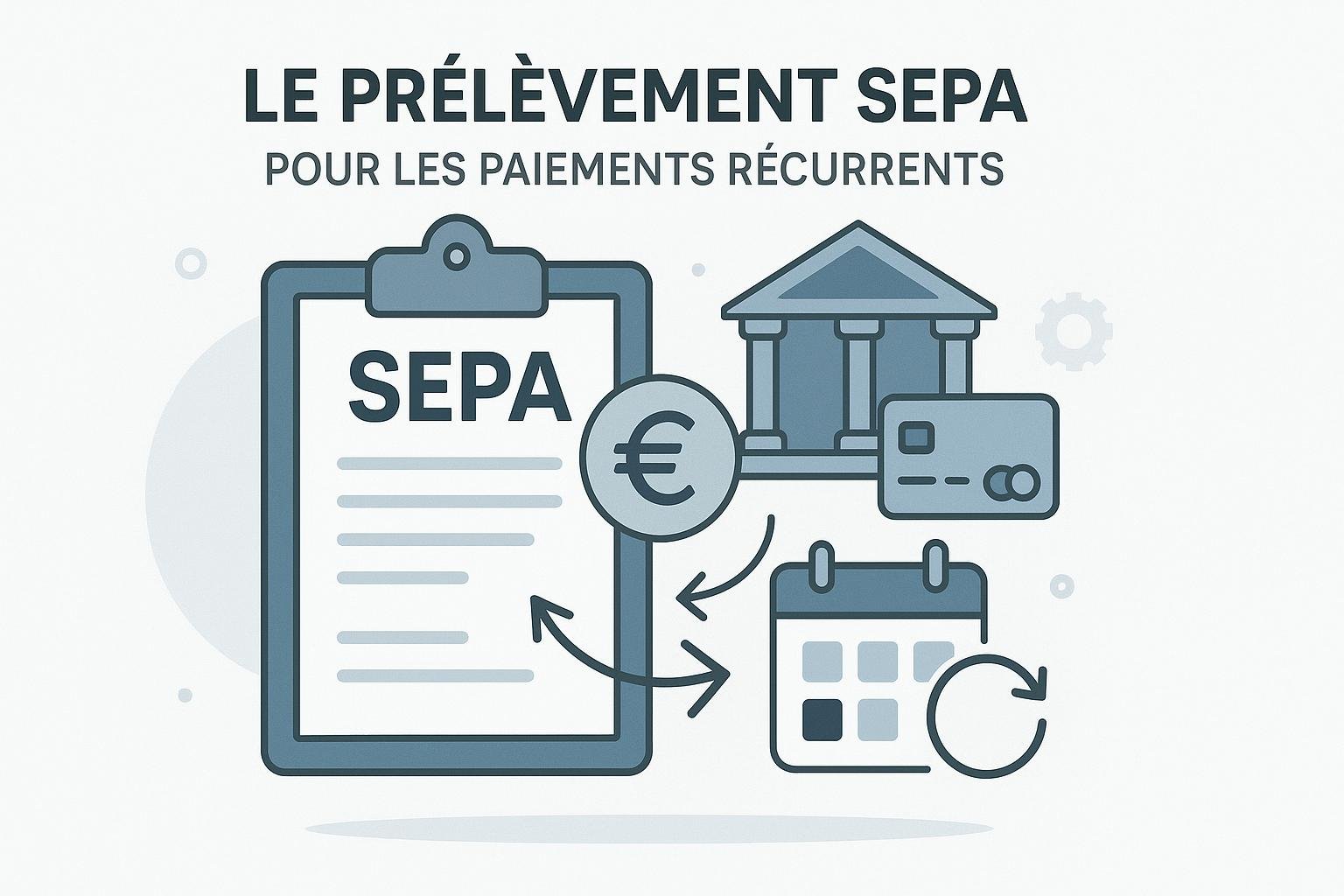
The Single Euro Payments Area (SEPA) aims to harmonize payment transactions across EU member states, ensuring streamlined and secure cross-border payments. SEPA Direct Debit (SDD) allows businesses to automatically debit customers’ bank accounts in the euro currency for recurring payments, like subscription services and regular billing.
Key Features:
- Cross-border Functionality: SDD covers all euro-denominated bank accounts in SEPA countries.
- Customer Authorization: Direct debit payments require a signed mandate from the customer.
- Standardization: It follows a standardized procedure making it simple and efficient.
How SEPA Direct Debit Works
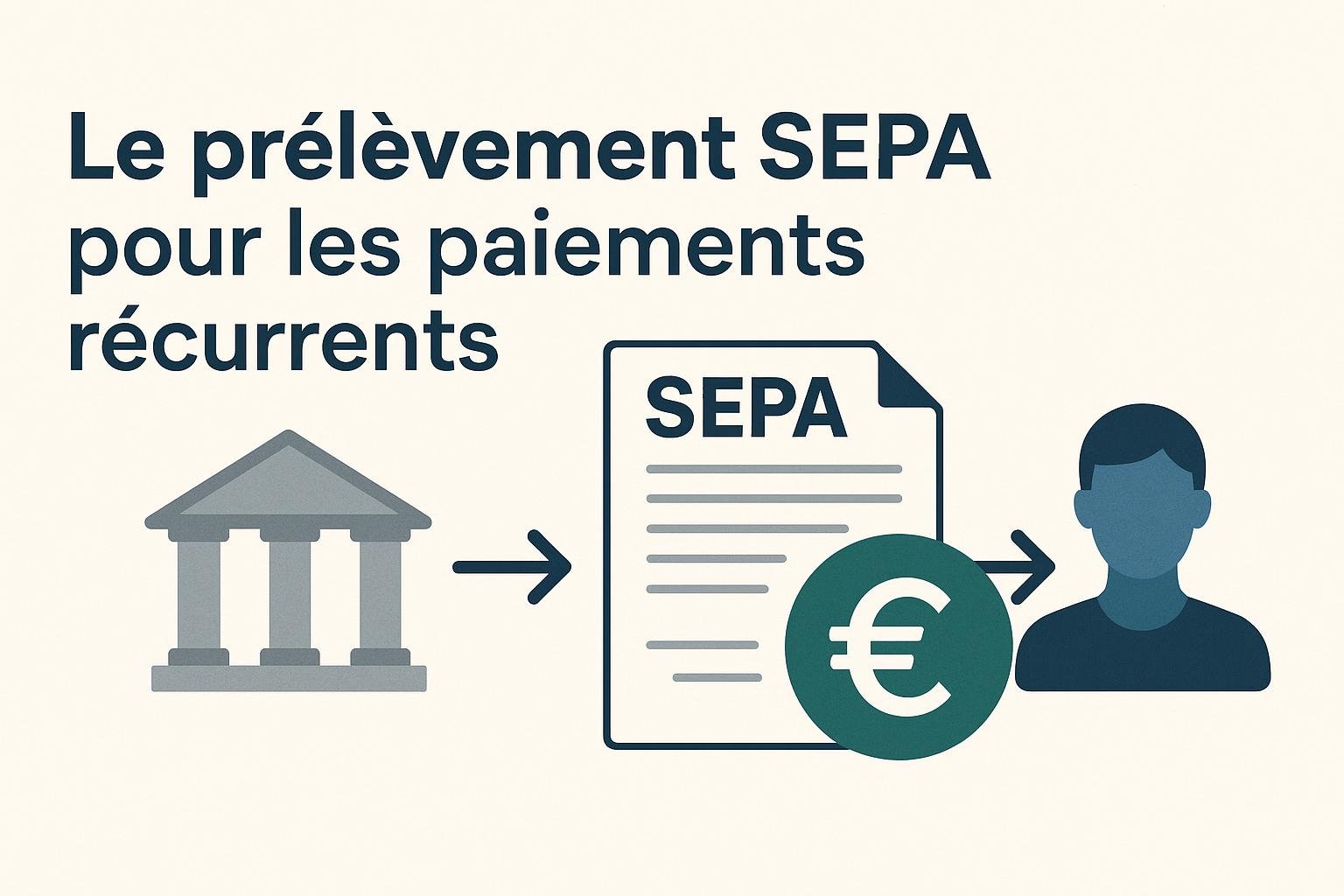
The SEPA Direct Debit process involves two primary parties: the creditor (business) and the debtor (customer). Let’s examine the step-by-step process:
- Mandate Setup: The customer authorizes the creditor to debit their account by signing a mandate.
- Mandate Management: The creditor stores and manages the mandate for verification and processing.
- Payment Collection: On the due date, the creditor sends a payment request to their bank.
- Transaction Processing: The banks process the transaction within SEPA standards, transferring funds from the debtor’s to the creditor’s account.
- Notification: Both parties receive notifications confirming the transaction.
Benefits for Businesses
SEPA Direct Debit offers many advantages to businesses:
- Efficiency: Automates the payment process, reducing manual intervention.
- Reliability: Payments are made on the due date, improving cash flow predictability.
- Cost-Effective: Lowers transaction costs compared to card payments.
- International Reach: Facilitates cross-border payments within the eurozone.
- Customer Satisfaction: Offers a convenient way for customers to pay.
Benefits for Customers
Customers also enjoy several advantages:
- Convenience: Payments occur automatically without additional action.
- Security: High-level security ensures safe transactions.
- Flexibility: SEPA Direct Debit can be easily set up and modified.
- Credibility: Enjoy confidence in a trusted and standardized system.
Pros and Cons of SEPA Direct Debit
Pros
- Wide Acceptance: Suitable for all euro accounts in SEPA countries [1].
- Predictable Cash Flow: Timely payments enable better financial planning.
- User-Friendly: Simplifies the payment experience for both parties.
- Reduced Risk of Payment Delays: Automated system minimizes errors.
Cons
- Initial Setup Required: Obtaining customer mandates requires time and effort.
- Limited to Euro Transactions: Only applicable for euro-denominated payments.
- Rejection Risk: Insufficient funds or other issues can lead to payment rejections.
Example Use Cases
- Subscription Services: Ideal for services like streaming platforms, e.g., Netflix.
- Utilities: Suitable for automated billing of electricity or phone services.
- Donations: Non-profits can collect recurring donations with ease.
- Insurance Premiums: Enables regular payment collection for policyholders.
Steps to Implement SEPA Direct Debit
- Integrate SEPA with Business Infrastructure: Use payment gateways supporting SEPA Direct Debit.
- Create and Store Mandates: Use digital solutions to manage customer mandates securely.
- Schedule Payments: Set up billing cycles for recurring payments.
- Monitor Transactions: Regularly check transaction status and handle any rejections.
- Stay Compliant: Ensure compliance with SEPA regulations and updates.
SEPA Direct Debit Variants
Core SDD
- Target Audience: Consumers and retail customers.
- Processing Time: Typically 2 business days [2].
- Revocation: Customers can revoke authorization up to 8 weeks after the transaction.
B2B SDD
- Target Audience: Business-to-business transactions.
- Processing Time: Usually same-day processing.
- Revocation: Offers less flexibility, as revocation is not allowed after processing.
Legal and Compliance Aspects
Businesses must adhere to SEPA regulations:
- PSD2 Compliance: Abide by the Payment Services Directive (PSD2) to ensure transaction security [3].
- Data Protection: Follow GDPR guidelines when handling customer data.
Training and Resources
To master SEPA Direct Debit and its intricacies, consider enrolling in specialized courses such as formation en monétique. These can deepen your understanding and enhance your implementation skills.
Conclusion
SEPA Direct Debit is a vital solution for efficient, secure, and reliable recurring payments in Europe. Its financial and operational benefits make it appealing for businesses and consumers alike. When considering integrating SEPA Direct Debit, understand all facets—from mandates to compliance—to fully leverage its advantages.
Incorporate SEPA Direct Debit for a seamless, automated billing process that meets the needs of today’s dynamic market landscape.


